

The AI-Native Founder’s Toolkit: Building a “Future-Built” Startup
10 AI tools that cover every stage of building your startup in 2026

In 2025, something quietly extraordinary happened in venture capital. For the first time in history, a single technology category captured the majority of all global venture funding. Of the $512.6 billion deployed across the world, an unprecedented $270.2 billion went exclusively to artificial intelligence and machine learning companies. [Source] That’s 52.7% of all venture capital. Not consumer, not crypto, not SaaS. AI.
For founders raising in 2026, this creates a brutal new reality. You’re not just competing for attention. You’re being evaluated on whether your company demonstrates “AI leverage” before a VC will even take the meeting. The bar isn’t whether you use ChatGPT. It’s whether you’ve structurally embedded intelligence into how you operate, scale, and burn capital.
The economics driving this shift are staggering. Between late 2022 and late 2024, the inference cost for GPT-3.5-level intelligence dropped over 280-fold. [Source] Solo founders and two-person teams now have access to enterprise-grade cognitive power for pennies. Current labor data shows that AI tools save the average employee about 2.5 hours per day.That’s not marginal. That’s a structural rewrite of what a “team” even means.
The transition isn’t about layering AI on top of legacy workflows. It’s about building an “AI-native” organization from day one. Companies that analysts call “future-built” achieve three times the cost reductions and five times the revenue increases compared to peers who treat AI as a feature. [Source] For founders in 2026, this isn’t a luxury. It’s an existential necessity.
What follows is a practical guide to the exact tools that give you asymmetric leverage at every stage of company building. Not theoretical frameworks. Actual platforms that let micro-teams punch like enterprise departments.
Stage 1: Ideation and Strategic Co-Founding
The most dangerous thing a founder can do is fall in love with a solution before validating the problem. I’ve watched brilliant technical founders spend six months building pristine MVPs for markets that don’t exist. The pattern is always the same: they talk to friends who are too polite to say the idea is bad, they Google competitors and convince themselves there’s a “gap,” and they wire $20,000 to an offshore dev shop.
The core problem at ideation isn’t lack of intelligence. It’s confirmation bias. You need someone to pressure-test your thinking without the social friction of telling your co-founder or advisor that their baby is ugly. That’s where AI stops being a buzzword and becomes a strategic co-founder.
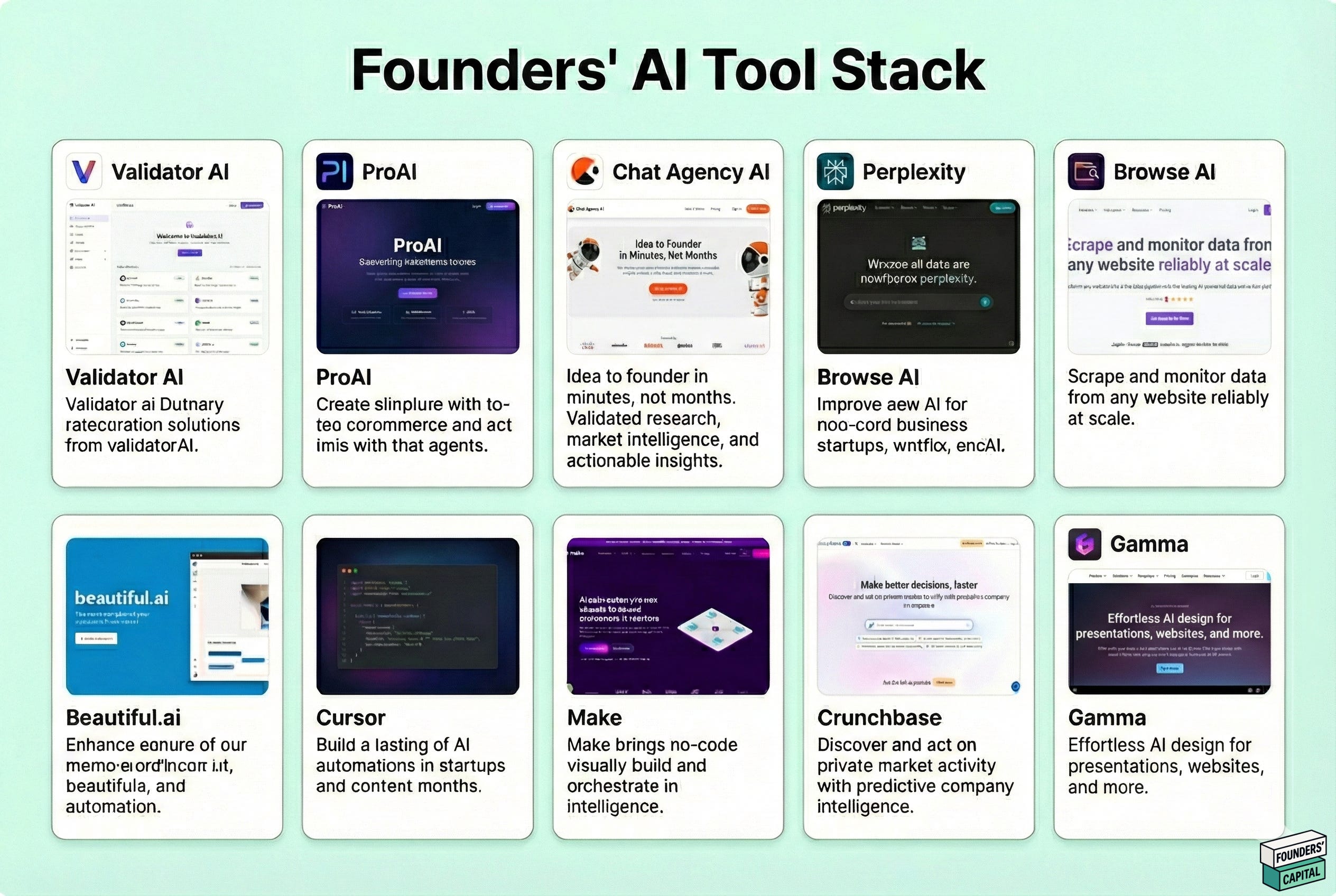
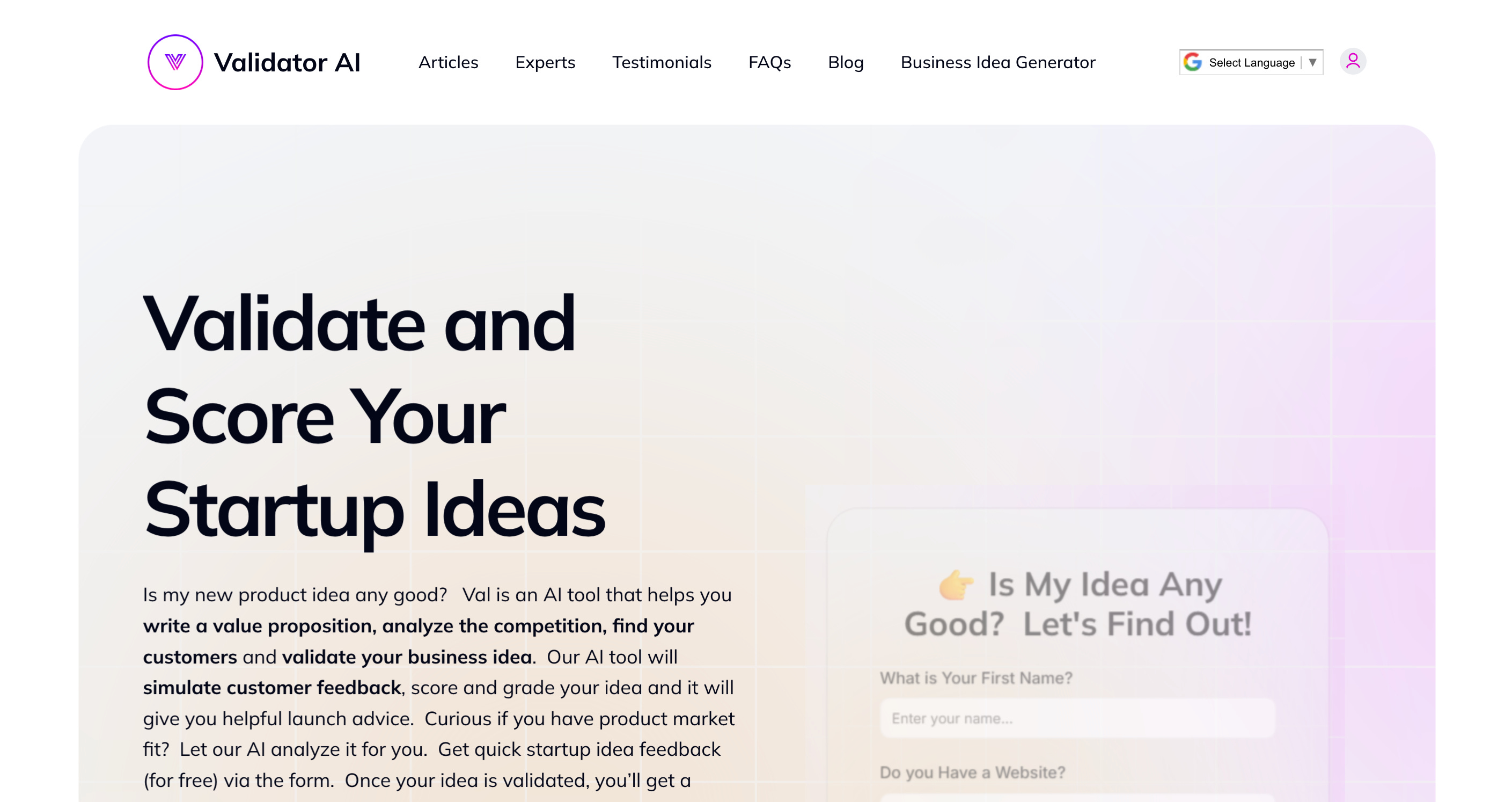
[A] ValidatorAI is the first tool I’d deploy. You input your raw business concept and it immediately returns objective scoring, identifies operational blind spots, and simulates customer objections. The platform was built by Aron Meystedt, a startup investor who realized founders needed friction-free pushback before writing code. For $49, you get three comprehensive advisory sessions that would cost $300 to $500 with a human consultant. But speed is the real value. It generates a personalized 14-step launch roadmap in seconds and can output a deployable landing page straight to your inbox. Benchmark testing shows 75% accuracy for market analysis. That’s not perfect, but it’s fast, cheap, and forces you to articulate your assumptions in writing.
The next layer is financial modeling. Most technical founders hate Excel. They also don’t know how to build a three-statement P&L model that an institutional investor will take seriously. Historically, that meant hiring a fractional CFO at $150 to $300 per hour or spending two weeks learning financial modeling on YouTube.
[B]. ProAI collapses that entirely. It’s an enterprise-grade business planning toolkit that replicates what top-tier consulting firms deliver. You answer a guided questionnaire and it autonomously generates a comprehensive business plan, market research report, and custom financial forecasts with exportable P&L and cash flow statements. The backend logic was designed by consultants who’ve served Fortune 50 companies. It’s ISO 27001/27701 certified and GDPR compliant, meaning your proprietary IP isn’t training someone else’s model.
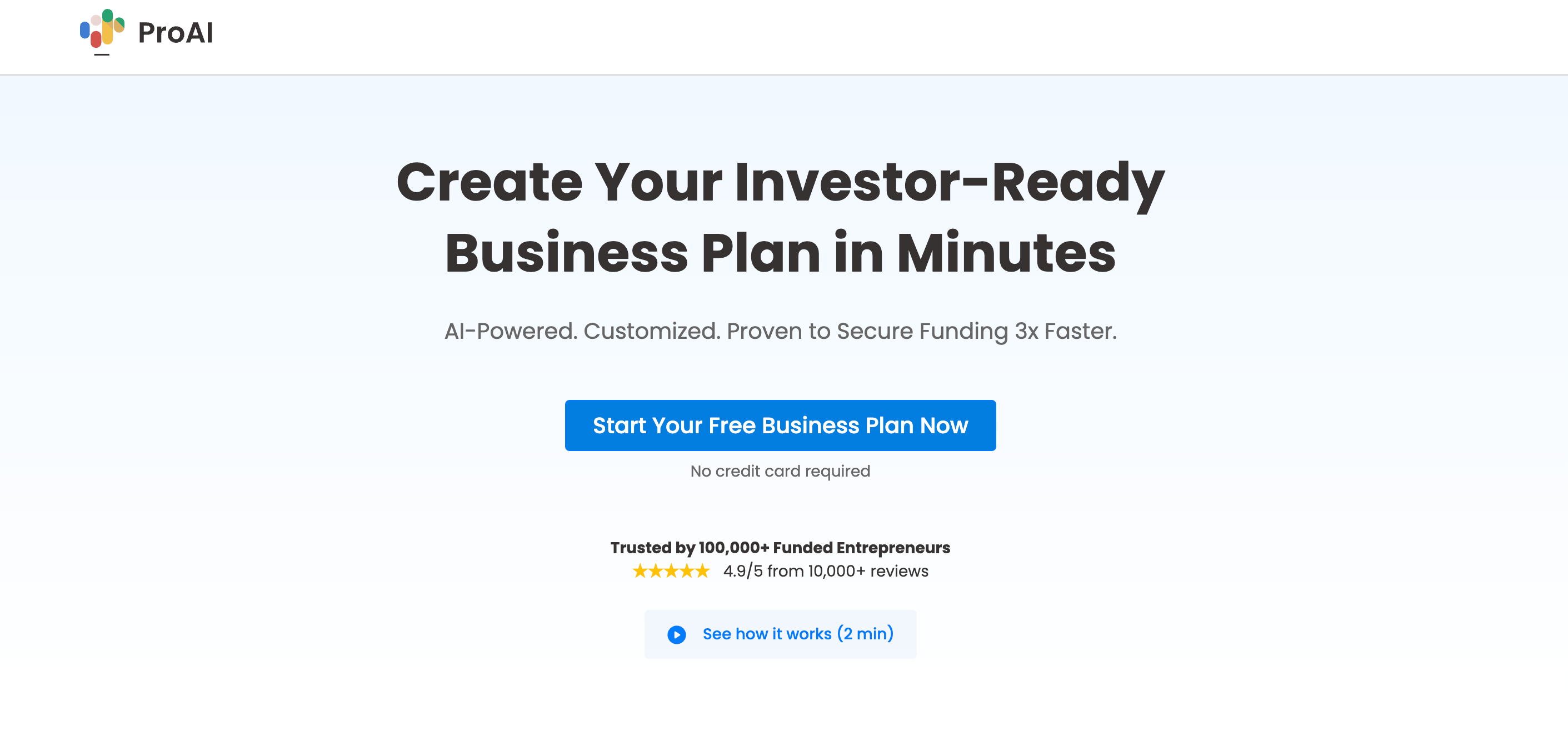
For $114 per year, you get McKinsey-like deliverables and a 24/7 AI business advisor. It holds a 4.8 out of 5 rating across 51 verified reviews.
For founders who want more structured guidance -
[C] Chat Agency AI is a structured ideation platform built by Chad Vavra, a former UX leader who drove multi-million dollar transformations at major tech companies. Instead of an open-ended chatbot, it provides guided modules for target personas, competitor analysis, and problem statements. It even auto-generates formatted pitch decks.
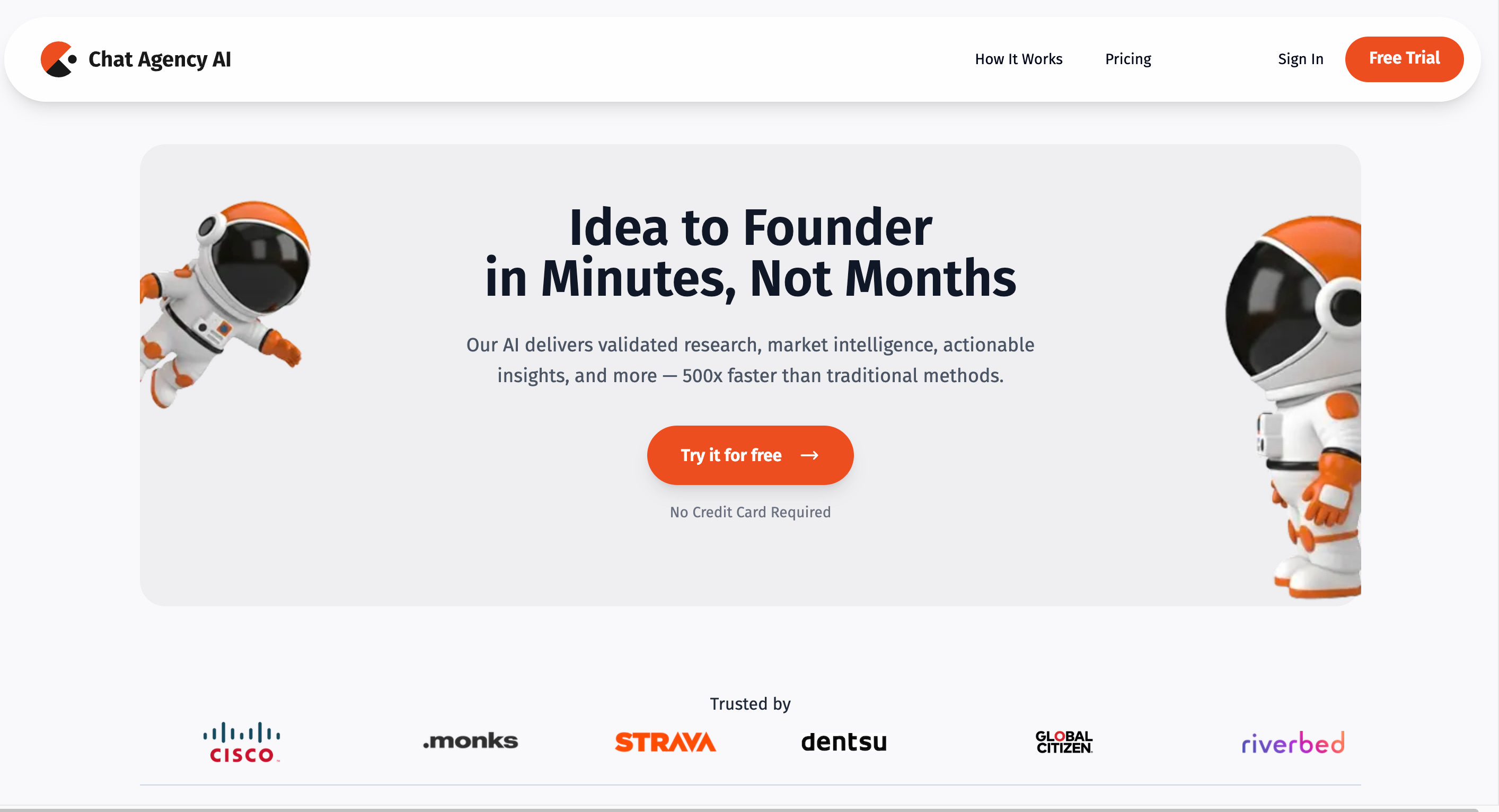
The interface prevents the “blank canvas effect” that makes ChatGPT feel overwhelming. Pricing starts at $20 per month with a free trial offering 10 credits. The platform guarantees enterprise-grade privacy, so your inputs never train public models.
If you’re serious about not wasting six months, run your concept through this gauntlet. These tools won’t replace founder intuition, but they’ll surface the blind spots before you spend real capital.
Stage 2: Empirical Market Validation
Once you have a hypothesis, you need data. Not instinct, not anecdotes from three friends, not a Medium post you read. Real market intelligence. Historically, this meant buying $5,000 Gartner reports or spending 40 hours manually scraping competitor websites. In 2026, that workflow is dead.
[A] The single most asymmetric tool for market validation is Perplexity AI. It’s a conversational AI search engine that returns synthesized, cited answers instead of a list of blue links. For founders, it functions as a due diligence assistant. You can analyze competitors, surface pricing trends, parse public financial data, and synthesize dense industry reports in seconds. What makes Perplexity lethal for founders is the ability to create private “Perplexity Spaces.”
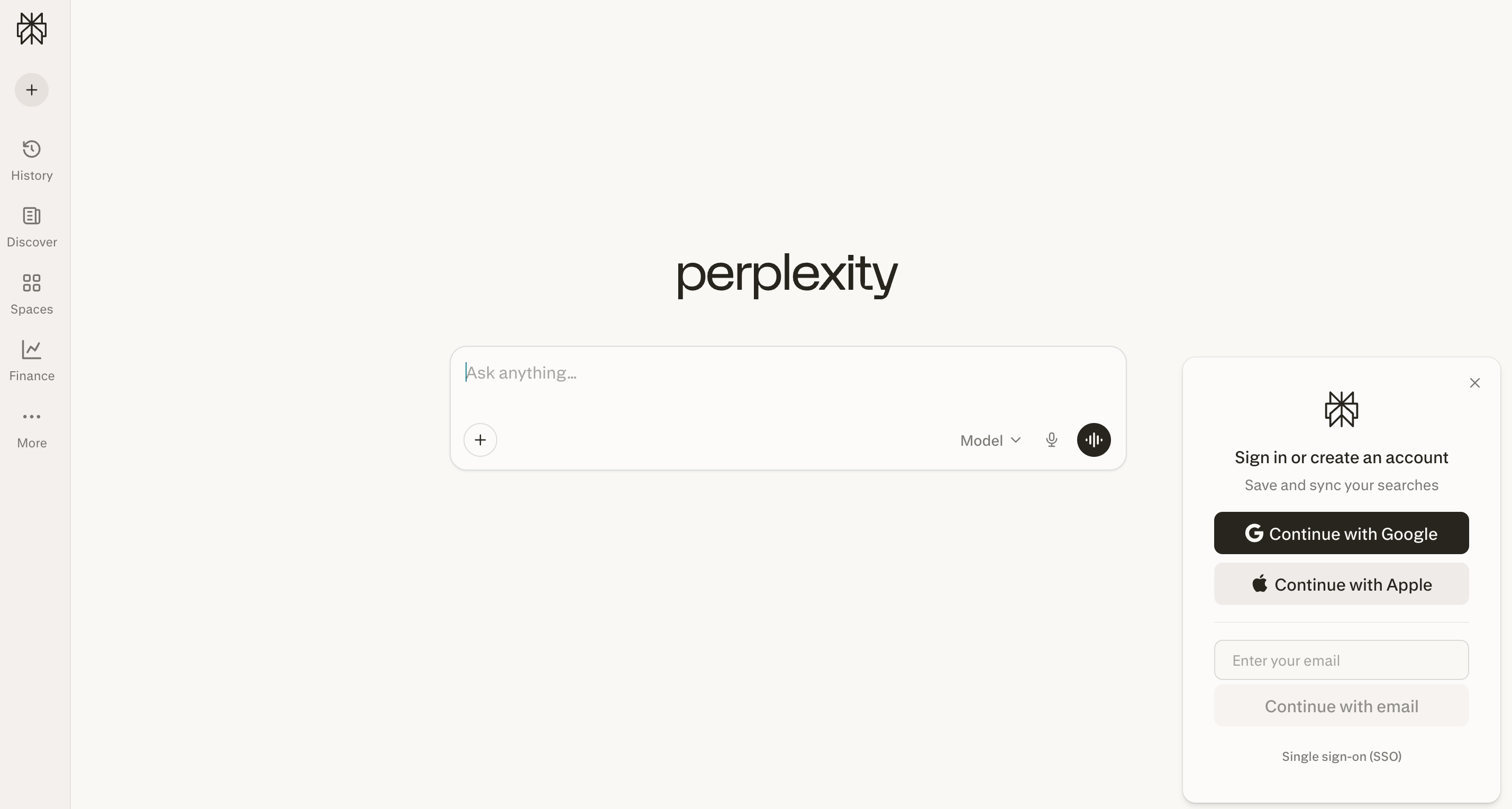
You upload your internal data, like product benchmarks or preliminary pitch decks, and instruct the AI to compare it against live market signals. Want to run a competitive SWOT analysis? Upload your deck and ask Perplexity to identify which competitors are gaining traction in your vertical. Want to track a price war? Set up a recurring query that monitors pricing pages. Industry analysts report that founders using Perplexity reduce research time by 70% to 80% compared to traditional methods.
[B] For structured data extraction, Browse AI is the tool. It’s a no-code web scraper that learns by watching you interact with a website, then autonomously harvests data at scale. You can monitor competitor pricing changes in real time, scrape thousands of customer reviews to identify feature gaps, or build targeted lead lists for outbound sales.
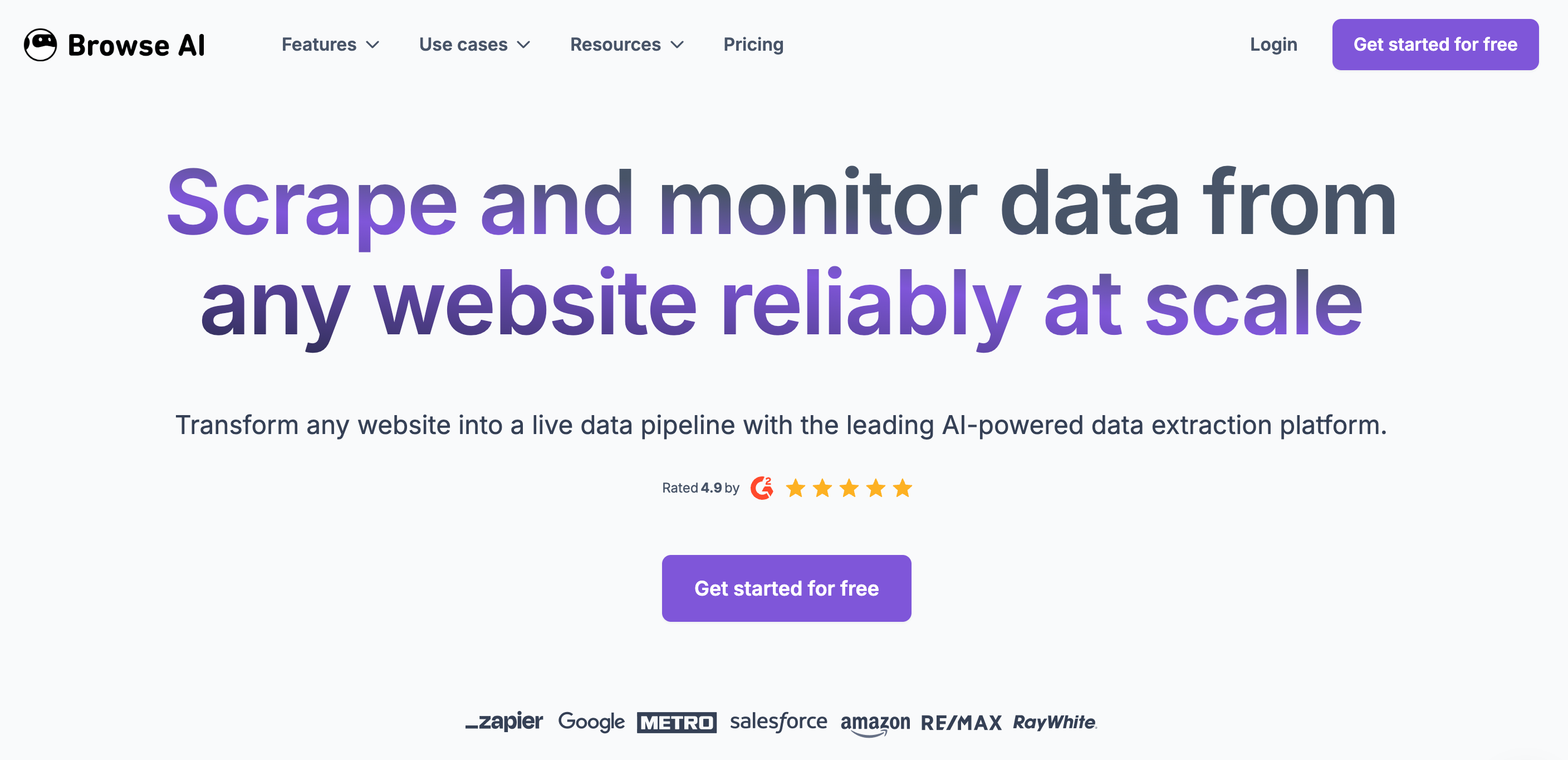
The platform has “self-healing” algorithms that automatically adjust when websites change their layout, which is critical because traditional scraping tools break constantly. Browse AI serves over 770,000 users and raised $2.8 million in seed funding from the co-founders of Dropbox, DoorDash, and Zapier. It integrates natively with Google Sheets, Zapier, and Make.com, meaning you can pipe scraped data directly into your CRM or email automation without touching code.
Here’s a concrete workflow: Set up a Browse AI bot to scrape your top three competitors’ pricing pages weekly. Pipe that data into a Google Sheet. Use Perplexity to analyze the pricing trends and generate a written summary of positioning shifts. Sync the summary to Slack so your entire team sees it. That entire workflow takes 20 minutes to set up and runs forever. A year ago, that would’ve required a $120,000 market research analyst.
Stage 3: The 2026 Fundraising Edge
The fundraising landscape in 2026 is paradoxical. There’s more capital available than ever, but it’s hyper-concentrated. Late-stage AI mega-rounds are sucking up oxygen. If you’re raising a $2 million seed round, you’re fighting for scraps. That means your storytelling has to be flawless, and your investor targeting has to be surgical.
Let’s start with the deck. Traditional slide-based decks still dominate Series A and beyond, but at the pre-seed and seed stage, there’s a structural shift happening toward web-native, scroll-based storytelling. VCs are reviewing decks on phones while walking between meetings. Static PowerPoints don’t work anymore.
[A] Gamma is the tool rewriting this playbook. It’s a generative presentation platform that creates polished pitch decks, dynamic websites, and interactive documents from text prompts. It uses over 20 different AI models orchestrated together, and its design agent dynamically formats complex layouts, generates custom imagery, and allows one-click style transformations.
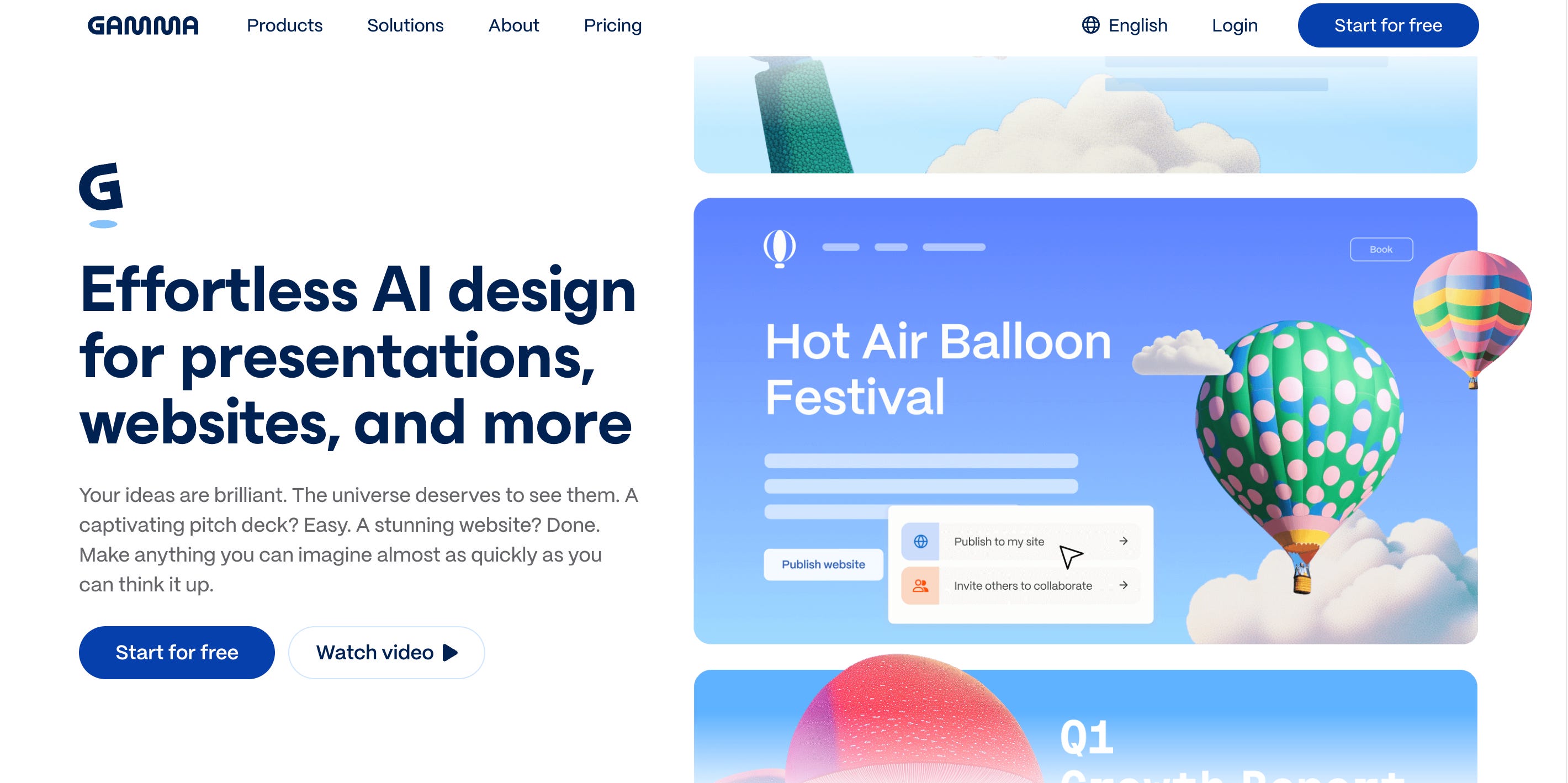
What makes Gamma exceptional for founders is that its outputs are web-responsive and scroll-based. A VC can click a link, scroll through your narrative on their phone, and your deck still looks pristine. You can embed live data, videos, and interactive prototypes. That’s not possible in PowerPoint. Gamma is also fast. You can go from blank page to fully designed deck in 20 minutes. For technical founders who lack design chops, that’s game-changing.The company’s metrics are absurd. Gamma hit $100 million in ARR with just 50 employees. n November 2025, it raised $68 million at a $2.1 billion valuation led by Andreessen Horowitz. Over 70 million people use it globally, generating more than 1 million pieces of content daily.
[B] For more traditional, slide-based storytelling, Beautiful.ai is the standard. It’s an AI-powered presentation platform with “Smart Slides” that automatically adjust alignment, typography, and visual hierarchy as you type. If you’re pitching institutional Series A investors or enterprise clients who require offline PowerPoint files, Beautiful.ai is the better choice.
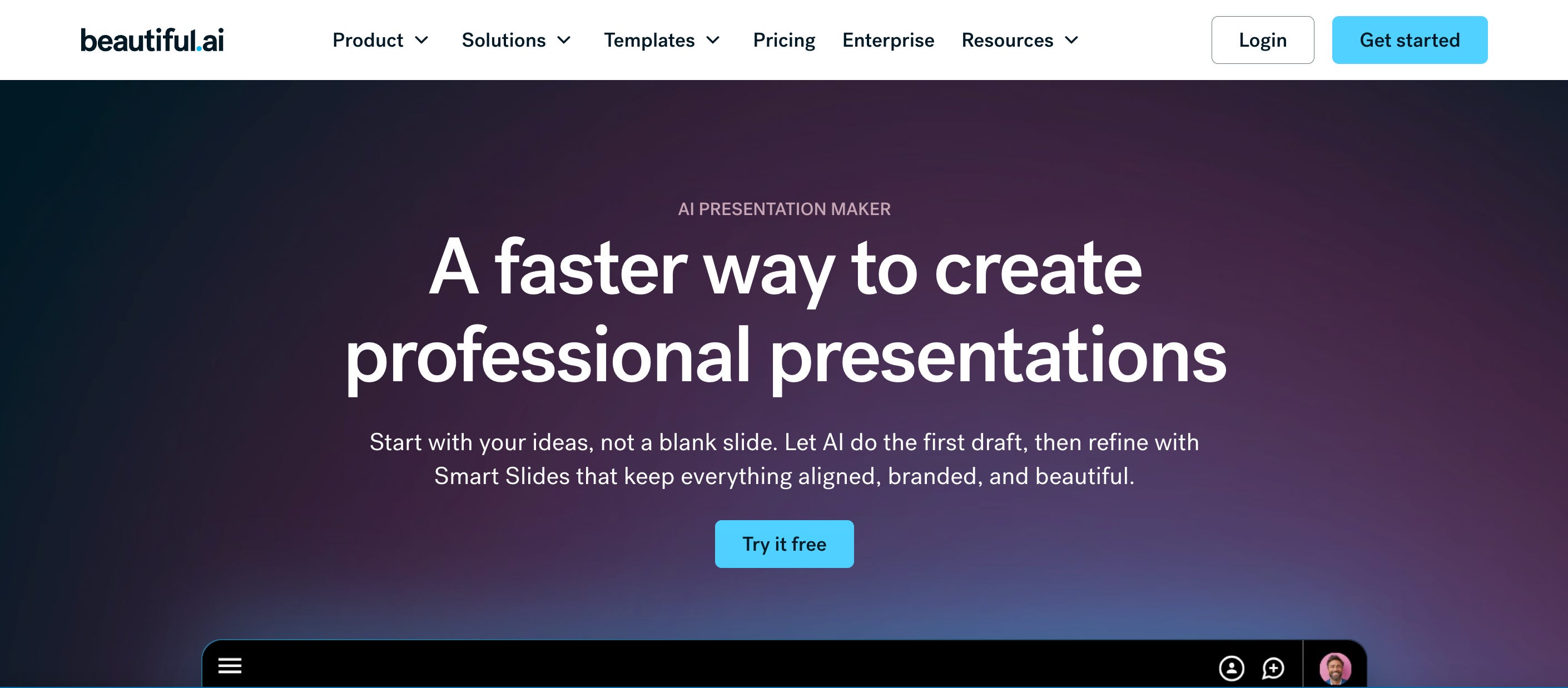
Data shows that sales professionals waste about 31% of their time searching for or formatting presentation content. Beautiful.ai cuts presentation design time by 50% to 80%. The platform raised $16 million led by First Round Capital and integrates deeply with Salesforce, Slack, and Dropbox. Crucially, it has viewer analytics. You can track exactly who viewed your deck, for how long, and which slides they lingered on. That intelligence is gold before a follow-up meeting.
Here’s the decision framework: Use Gamma for pre-seed and seed storytelling where speed, mobile responsiveness, and visual impact matter most. Use Beautiful.ai for formal Series A board decks, enterprise sales proposals, and any context where you need pixel-perfect PowerPoint exports.
The other half of fundraising is targeting. Most founders spam their deck to 200 VCs via cold email and wonder why they get ghosted. The issue isn’t the deck. It’s that they’re pitching firms that don’t invest in their stage, sector, or geography.
[C] Crunchbase is the most accessible tool for solving this. It tracks over 2 million companies and investors with data on recent investments, fund sizes, and sector focus. The free tier gives you enough to start building a targeted list. Filter by stage, geography, and sector to narrow down firms that are actually relevant to you. Upgrade to Pro at $29 per month if you need deeper data like funding rounds, investor contact details, and portfolio tracking. Pair it with NFX Signal, a free tool that maps your existing network against potential investors to find the warmest intro paths. Together these two tools give you a targeted, relationship-driven investor list without spending thousands on institutional databases.
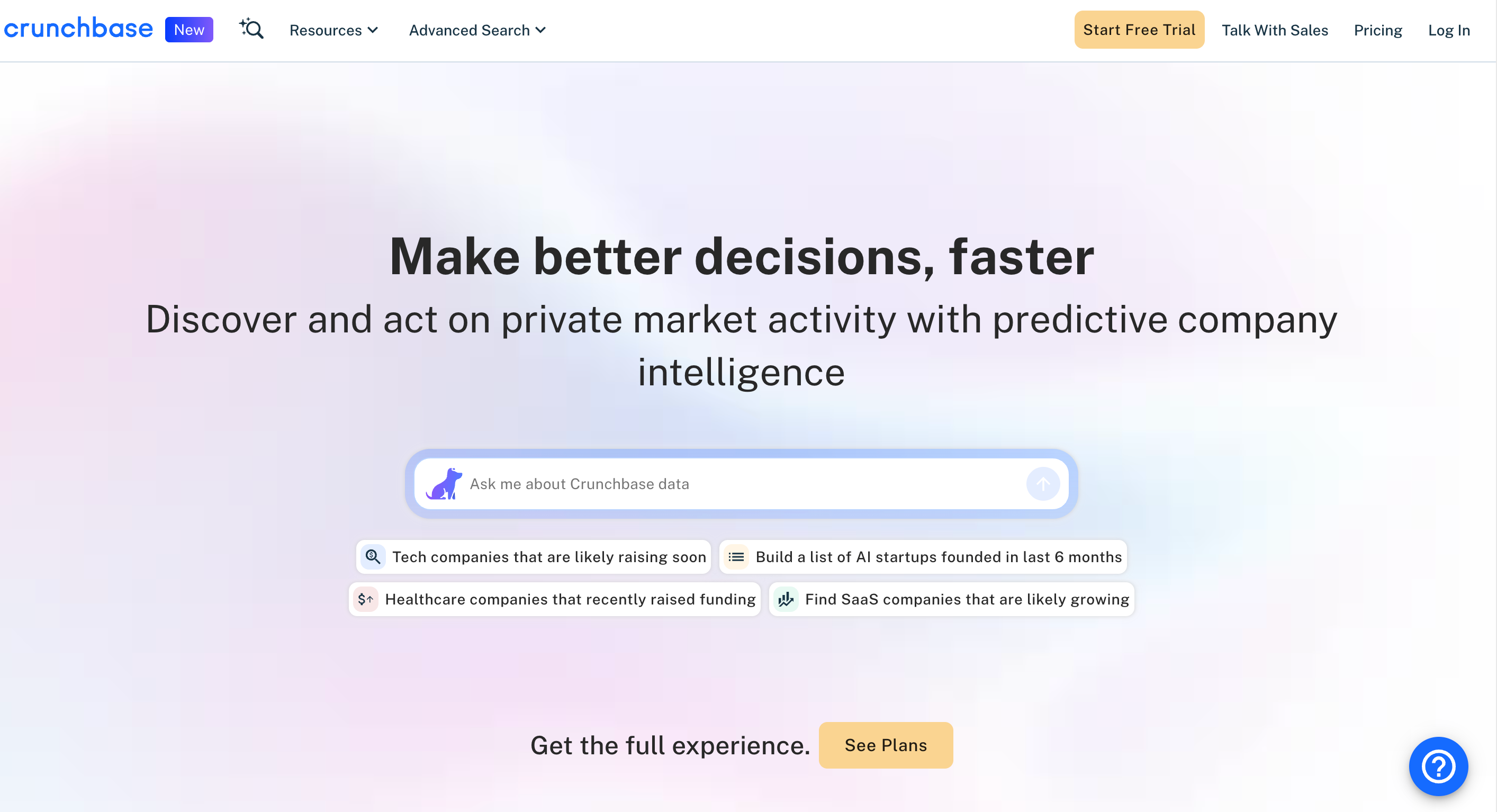
The tactical play: Use Crunchbase to build a shortlist of 30 highly aligned firms filtered by stage and sector. Use NFX Signal to identify who in your network can make the warmest introduction. Use Gamma to build a web-native deck optimized for mobile. Use Beautiful.ai to create a formal slide deck for partners who request PowerPoint. Track who's engaging with your deck via Beautiful.ai's analytics. That's institutional-grade fundraising infrastructure for under $100 per month.
Stage 4: High-Velocity Execution and Operations
Once you’ve raised capital, the clock starts. You have 18 to 24 months of runway to hit the milestones that unlock your Series A. The core problem is that building an MVP still costs $15,000 to $150,000. If you burn $150,000 on a dev shop and the product doesn’t work, you’re done. You must use AI to stretch your runway and compress build timelines.
[A] The tool rewriting software economics is Cursor. It’s an AI-native code editor built on a fork of Visual Studio Code. It provides context-aware code generation, deep codebase chat, and multi-file refactoring via a feature called “Composer.” For founders, this is a seismic shift. Historically, building a complex platform required a frontend engineer, a backend engineer, and a database specialist. Cursor lets a single technical founder or a two-person team build what used to require six people.
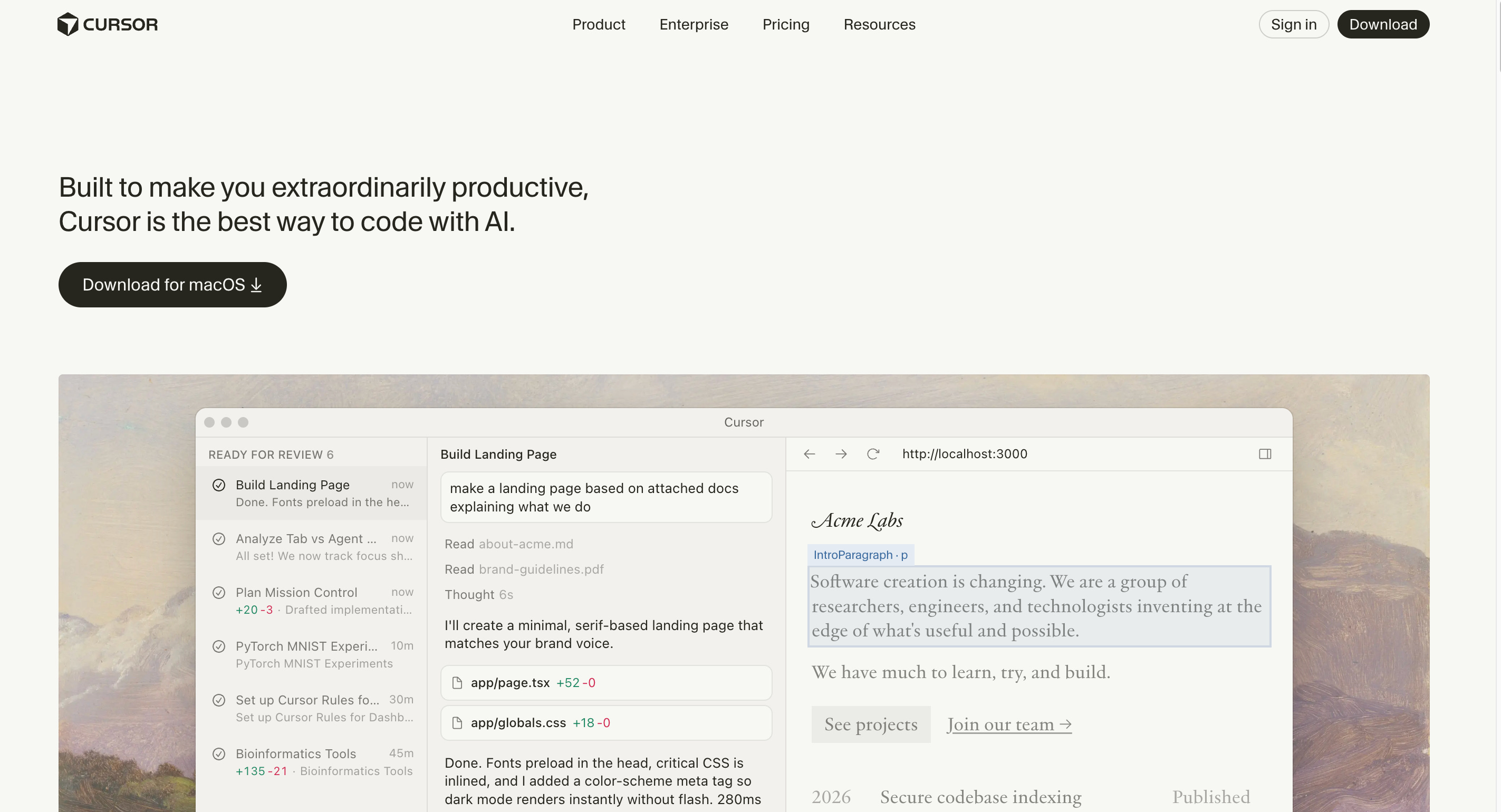
It’s not a no-code tool. You’re still writing code. But Cursor acts as an elite co-pilot, automating boilerplate, debugging cross-file issues, and suggesting architectural improvements. Gartner projects that by 2028, 75% of enterprise software engineers will use AI code assistants, up from less than 10% in early 2023. [Source]
Cursor’s growth is unprecedented. It’s the fastest-growing SaaS company of all time, scaling from $1 million to $500 million in ARR in under three years. Revenue doubled every two months at peak. In November 2025, it raised $2.3 billion at a $29.3 billion valuation co-led by Thrive Capital and Andreessen Horowitz. Elite engineering teams at OpenAI, Midjourney, and Perplexity use it as their primary IDE.
[B] For non-technical founders or founders who need to automate operations without hiring engineers, Make.com is the central nervous system. It’s a visual workflow automation platform that connects disparate software applications via deep API integrations. Unlike Zapier, which is great for simple two-step tasks, Make.com handles complex, multi-path logic with native JSON parsing and conditional routing.
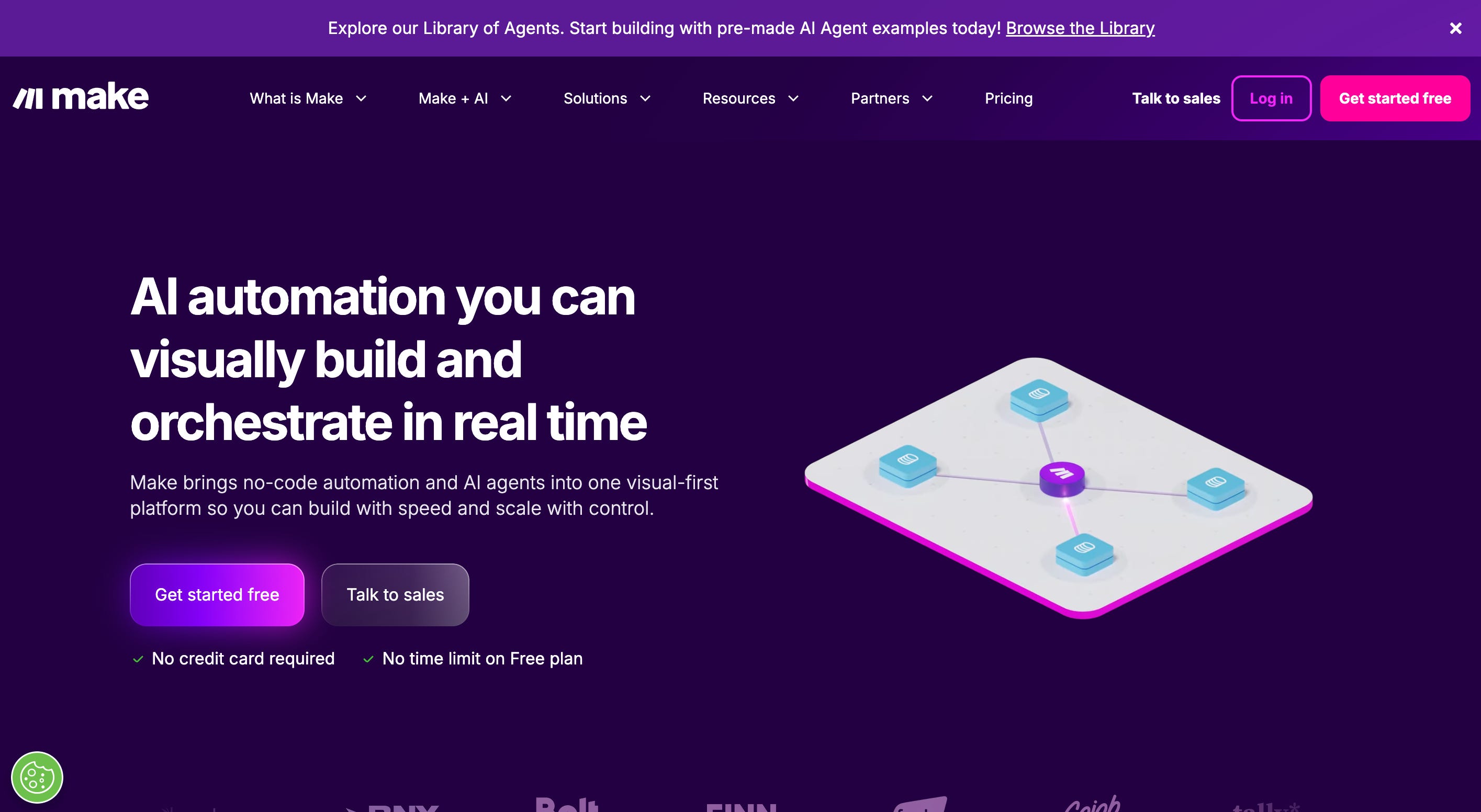
As you scale, you accumulate a fragmented stack of tools: CRM, email marketing, payment gateways, customer support platforms. Manual data entry across these systems creates bottlenecks and errors. Make.com lets you visually design automations that trigger cascading actions across thousands of apps. For example, you can build a lead qualification engine that routes high-value enterprise leads to a specialized sales sequence and redirects low-intent traffic to self-serve onboarding, all without engineering.
Make.com is rated 9 out of 10 for AI capabilities in technical reviews and is praised for being exponentially more cost-effective than Zapier due to its per-operation pricing model instead of per-task pricing.That matters when you’re processing high volumes of data.
[C] The final piece is meeting intelligence. Early-stage founders spend an insane amount of time on Zoom doing user interviews, pitching investors, and closing initial sales. The risk is “Zoom amnesia.” You forget exact customer terminology, lose critical insights, and waste hours transcribing notes. Grain fixes this. It’s an AI-powered meeting platform that captures, transcribes, and synthesizes video conversations. It extracts thematic highlights, tracks action items, generates custom summaries, and syncs everything directly into HubSpot and Salesforce.
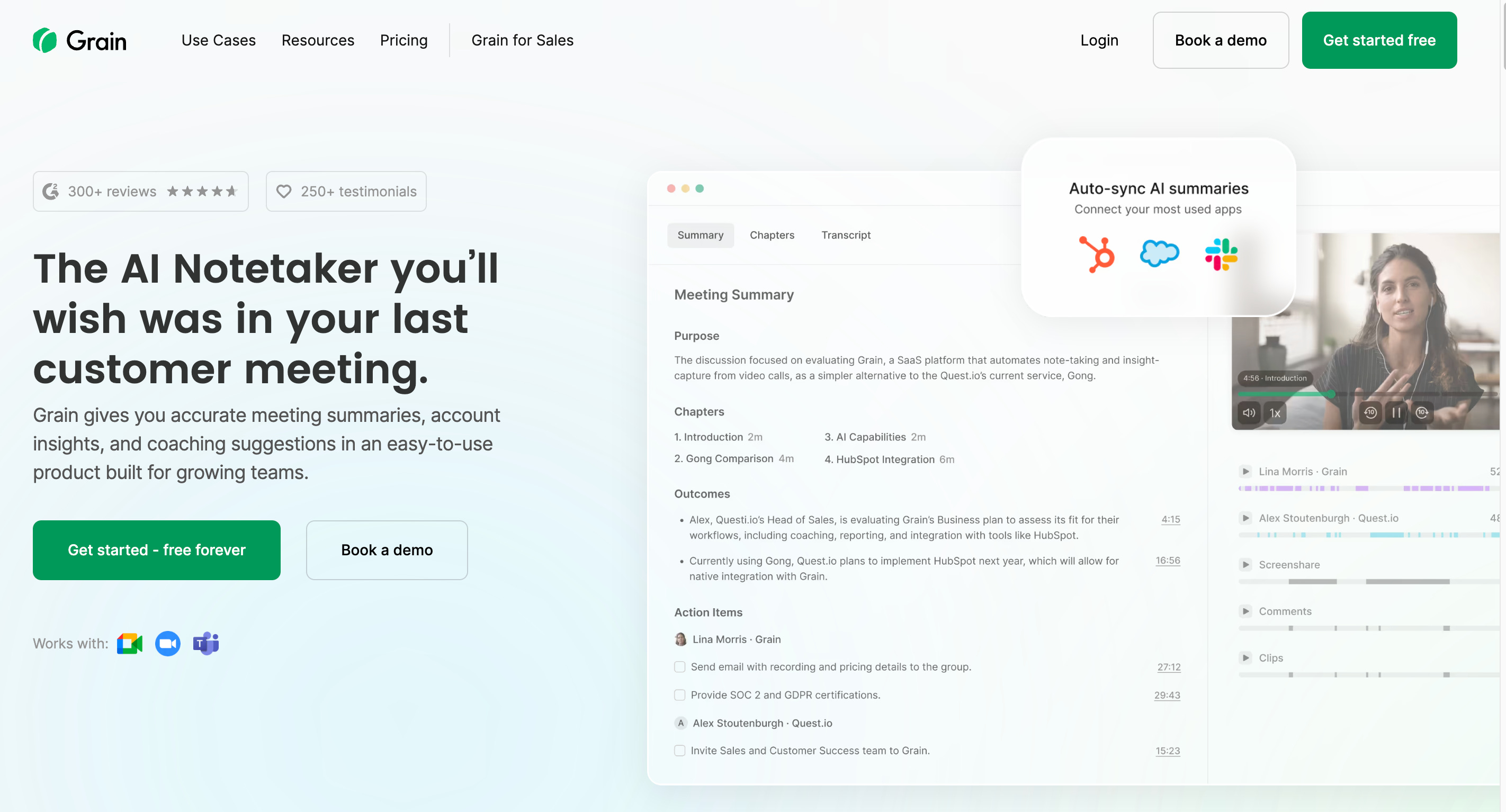
For founders, this means you can be fully present in conversations instead of frantically typing. You can clip exact moments of customer feedback and share them in Slack to align your product team. You can automatically map call data to CRM fields without post-meeting admin work.
Grain raised $16 million in Series A from Tiger Global, with participation from the Zoom Apps Fund and Slack Fund. In early 2025, it secured over $50 million led by Bain Capital Ventures. While competitors like Otter.ai exist, user reviews consistently highlight that Grain excels in custom note-taking frameworks like SPICED and deep CRM integrations.
Here’s a realistic operational stack for a seed-stage B2B SaaS startup: Use Cursor to build your product with one or two engineers. Use Make.com to automate lead qualification and customer onboarding. Use Grain to capture and sync every sales call and user interview. That’s a $100,000 operations team compressed into $300 per month of software.
Conclusion: Your Stage-by-Stage Playbook
The tools exist. The question is knowing when to use them.
Here’s the order that makes sense:
Start with ValidatorAI, ProAI, and Chat Agency AI before you write a single line of code or spend a rupee. Pressure test your idea with ValidatorAI, work through your strategy and personas with Chat Agency AI, then use ProAI to translate that thinking into a financial model an investor will take seriously.
Once your hypothesis is solid, move to Perplexity and Browse AI. Validate the market with real data, not instinct. Set up the competitor monitoring workflow and let it run in the background while you build.
When you’re ready to raise, build your seed deck in Gamma and your target investor list in PitchBook Navigator. Use Beautiful.ai when you need a formal slide deck for institutional investors.
Once capital is in the bank, deploy Cursor to build fast and Make.com to automate everything that doesn’t require human judgment. Use Grain to capture every sales call and user interview so nothing falls through the cracks.
That’s the full stack. Not every tool is relevant at every stage. Pick what applies to where you are today and move.
Best,
Ashish